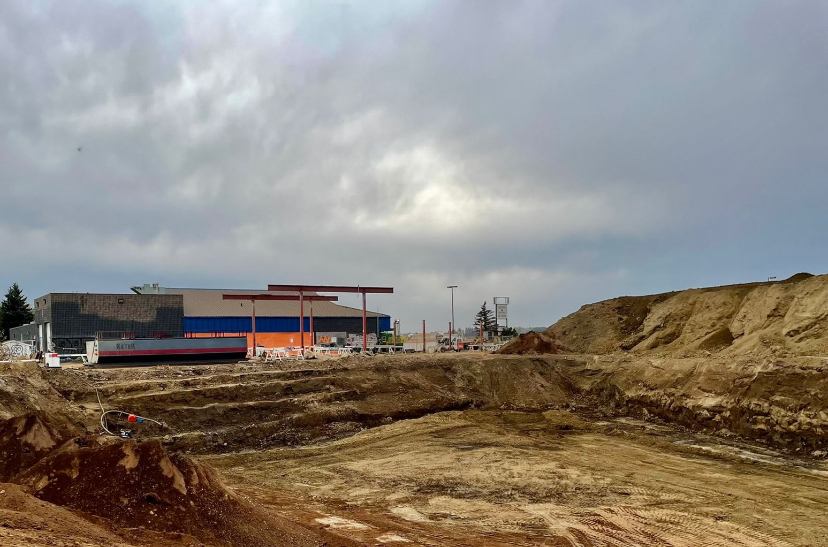
Nelson Environmental Remediation, Bear Hills soil remediation, Louis Bull First Nation, Alberta, Canada: Cleared and excavated land at the Bear Hills Remediation Project site, prepared for thermal treatment operations.
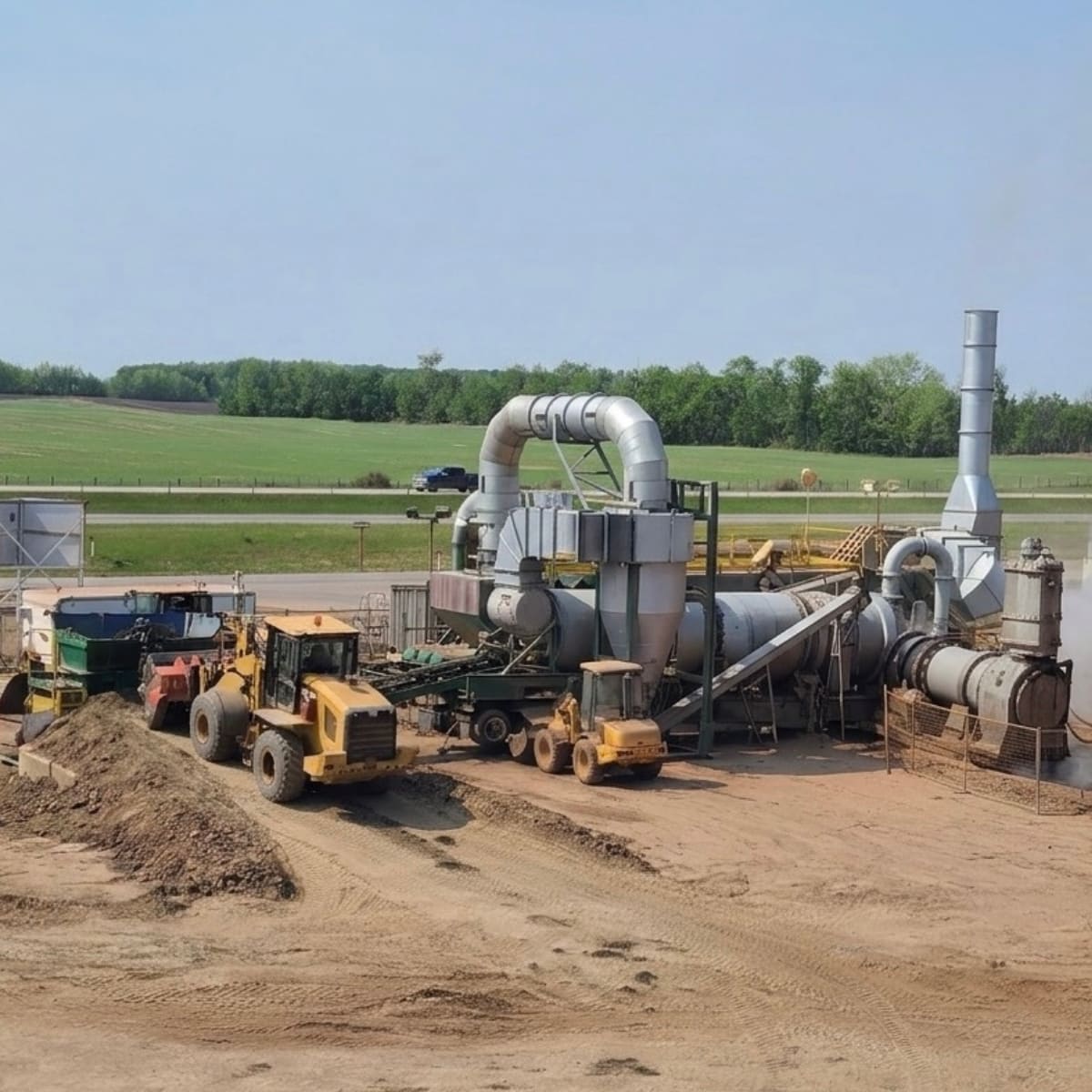
Nelson Environmental Remediation, Bear Hills soil remediation, Louis Bull First Nation, Alberta, Canada: Nelson mobile thermal desorption plant operating onsite at the Bear Hills Remediation Project on Louis Bull First Nation land.
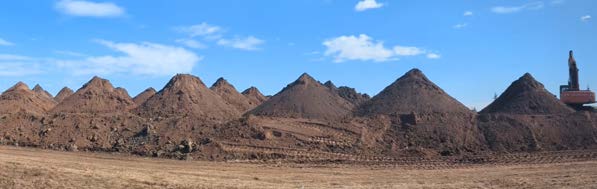
Nelson Environmental Remediation, Bear Hills soil remediation, Louis Bull First Nation, Alberta, Canada: Stockpiles of treated, criteria-clean soil staged for return to the Louis Bull First Nation brownfield site after thermal remediation.

Ask Nelson

Trained on Nelson's 30+ year project history & technical library

Nelson's AI team member

All Projects

Case Study

Bear Hills: Alberta soil remediation to Tier 1 criteria

On-site petroleum-soil treatment at Bear Hills on Louis Bull First Nation land, with Alberta Tier 1 verification before soil return.

Download case study PDF

06

Bear Hills: Alberta soil remediation to Tier 1 criteria

An eleven-month program

Capability Applied

Mobile Thermal Desorption→

Case Study Reel

Case study reel, Bear Hills, Louis Bull First Nation land.

Watch Bear Hills soil remediation →

01

Site background and contamination

A long-standing fuel-retail site left petroleum-impacted soil requiring excavation and treatment. The hydrocarbon profile and future land use determined the applicable Alberta criteria.

Site
Bear Hills, long-standing fuel-retail hydrocarbon liability, Alberta
Contaminants
BTEX and TPH fractions F1 to F4

02

Nelson’s role and treatment selection

Nelson provided plant, crew and thermal operations within the civil works program. Excavated-soil treatment separated hydrocarbons from the soil, with the vapour stream routed to an oxidizer for destruction.

Nelson role
Thermal remediation contractor: plant, crew and 24/7 operations

03

Equipment, handling and logistics

Soil was excavated, screened and conditioned before feeding. The RS-45 ran continuously, 24 hours a day, seven days a week, averaging 25 tonnes per hour with peaks of 35 tonnes per hour.

Equipment
RS-45 mobile direct-fire thermal desorption unit, oxidizer, quench, feed hopper and scale belt

04

Sampling, permits and verification

Treated soil was sampled pile by pile at specified volumes before release. Alberta Tier 1 criteria are contaminant-, land-use- and pathway-specific, not a single universal petroleum limit.

05

Documented outcomes

The Nation subsequently developed the site for casino construction. The project was recognized among Environment Journal's Top 25 Projects in Canada.

Material quantity
Approx. 140,000 tonnes, 25 t/hr average
Result
All soil to criteria and returned to the excavation. Land redeveloped by the Nation

Bear Hills: Top 25 Projects in Canada recognition

Read Environment Journal’s coverage of Nelson and the Top 25 Report

Go DeeperBear Hills: Ground ReturnedThe full story. 140,000 tonnes of hydrocarbon-contaminated soil from a legacy fuel retail site, thermally treated to Canadian criteria, with the restored ground returned for redevelopment.Read the full story→

Last updated · October 2026

See all projects →

Remediation Strategy Navigator

Start from a site like this one

Run the same diagnostic our engineers ran here. Five questions on contaminant, matrix, site context, driver, and scale, and the Strategy Navigator shows which treatment path your conditions point toward.

· A shortlist of treatment paths ranked against your answers

· The reasoning behind every technology that surfaces

· A shareable link that reopens the same strategy

· A downloadable strategy brief at the end

Open the Strategy Navigator

Outputs are indicative. Reach out for site-specific refinements.

Contact

How can we help?

Project inquiries, technical consultation, or emergencies.

We respond to project inquiries within one business day.

Nelson Environmental Remediation

Head Office

30541 - 100 Avenue

Acheson (Edmonton), Alberta

Canada T7X 6L8

Phone

1.780.960.3660

Toll Free: 1.888.960.8222

Fax

1.780.962.6885

Email

Follow Us on LinkedIn →

More from Nelson

  • Mobile thermal technology: configured for the material, brought to site
  • How to use The Hub for contamination research
  • Navigator: a practical guide to remediation strategy
  • The Ground Truth: Warren Nelson's remediation newsletter
  • A new era of enlightenment
  • Value should be the final outcome
  • What’s next at Nelson
  • Why independent research matters more than anything
  • Over thirty years of permanent outcomes: a field review of Nelson’s project record
  • Petroleum-contaminated soil treatment in the US: build the plan around the fuel profile
  • Contaminated soil management in the US: from excavation to an accepted destination
  • US remediation project evidence: what Tioga and Honolulu tell a project owner

Site Navigation

  • All Articles & Research
  • Thermal Remediation Capabilities
  • Project Case Studies
  • Remediation Glossary
  • About Nelson Environmental Remediation
  • Contact Nelson